
Africa’s Data Centre Boom: Building Capacity Is Only Half the Battle
iMark Consult
Technology & Digital Solutions
Published August 24, 2026•5 min read
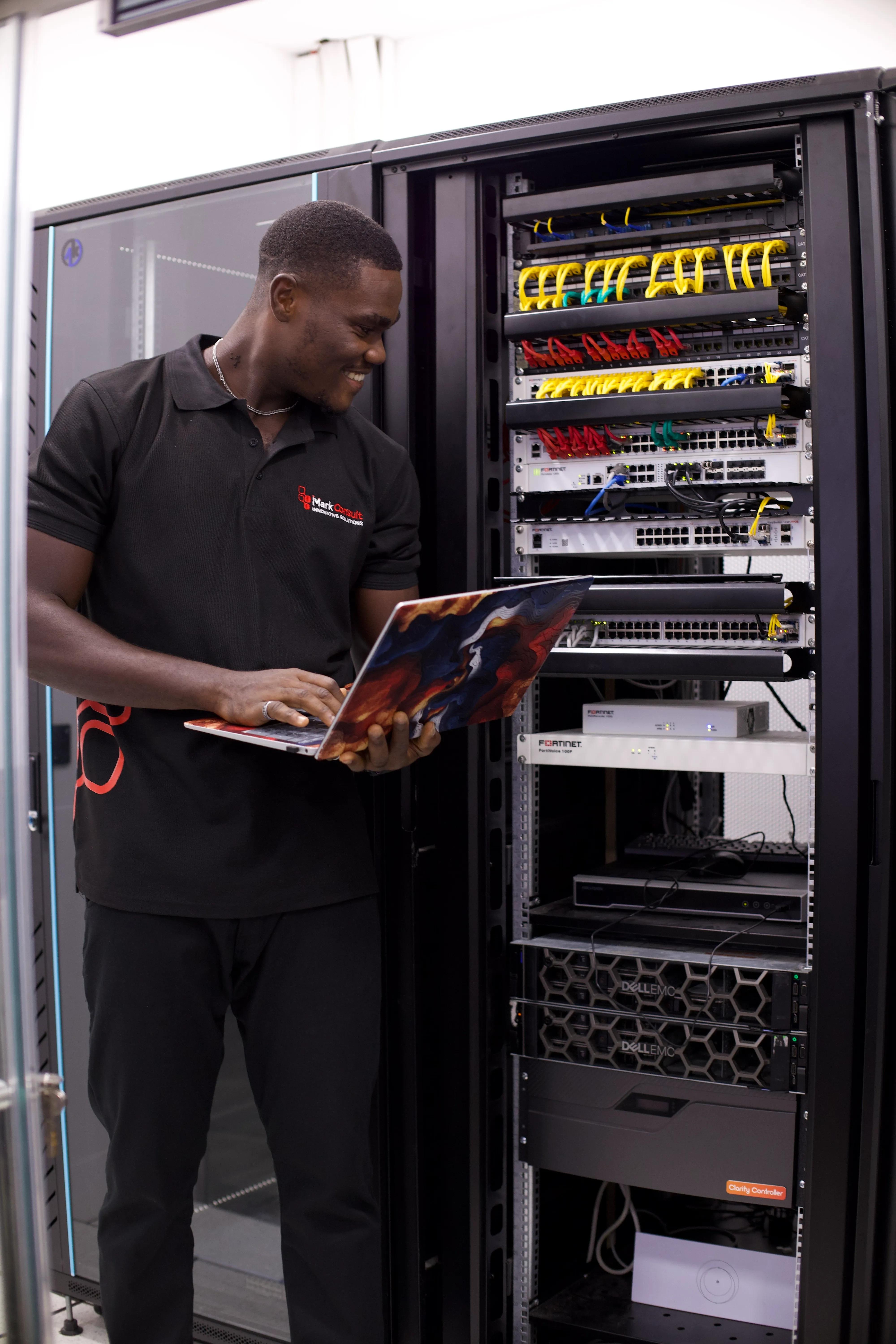
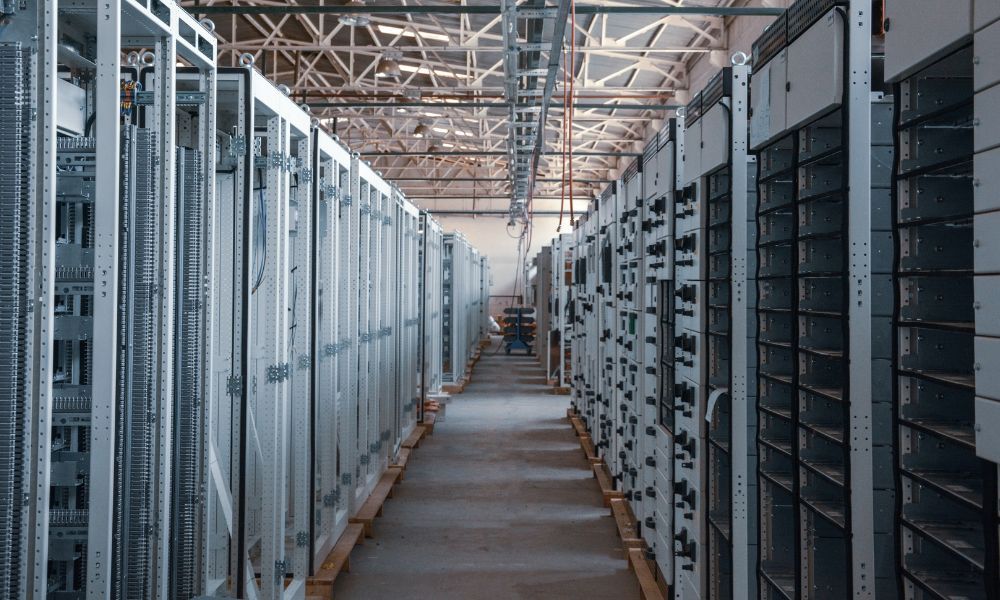
Africa is experiencing a rapid expansion of data-centre infrastructure, with major investments taking place across countries including Ghana, Nigeria, South Africa, Kenya, and Egypt. The growth is being driven by increasing demand for cloud computing, fintech, artificial intelligence, digital banking, and enterprise applications. However, building more facilities does not automatically translate into a successful digital infrastructure market. The bigger question is whether there will be enough African businesses and digital workloads to consistently fill this growing capacity.
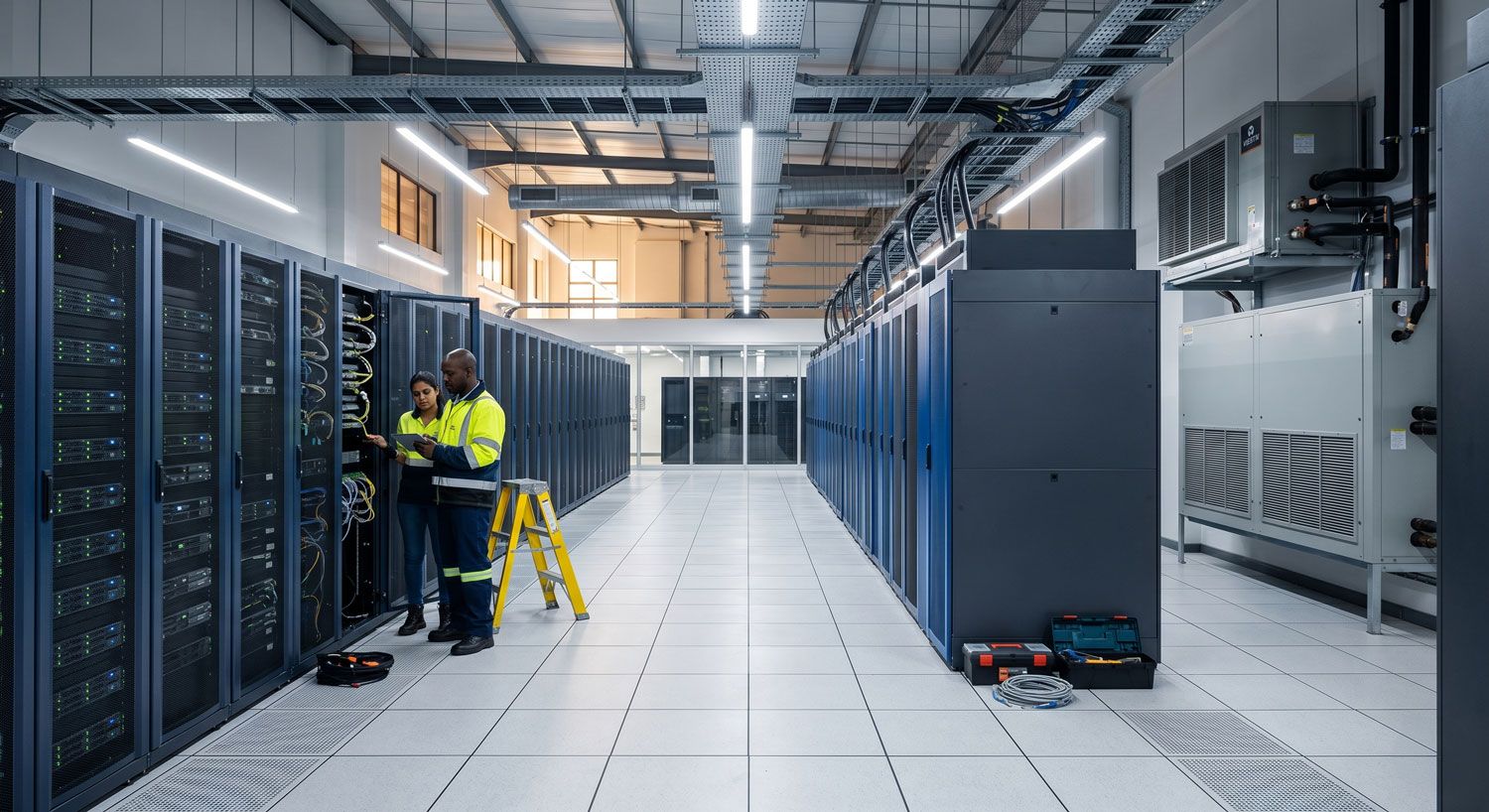
One of the biggest challenges is that many African organisations still host their applications and data outside the continent, particularly in major cloud regions in Europe. Cost, reliability, connectivity, and access to mature cloud services often make these locations attractive. Local data centres therefore face the difficult task of competing not only on data sovereignty, but also on pricing, performance, security, and reliability. Without competitive local infrastructure, companies may continue sending their workloads overseas even as more data centres are built in Africa.
Artificial intelligence is making the situation even more interesting. AI workloads require significantly more computing power, electricity, and advanced cooling than traditional enterprise applications. While Africa is producing AI startups, developers, and digital talent, much of the infrastructure needed to train and run sophisticated AI models remains outside the continent. This creates both a challenge and an opportunity for African data-centre operators to invest in GPU-ready facilities, efficient power systems, cloud platforms, and other infrastructure designed for the next generation of computing.
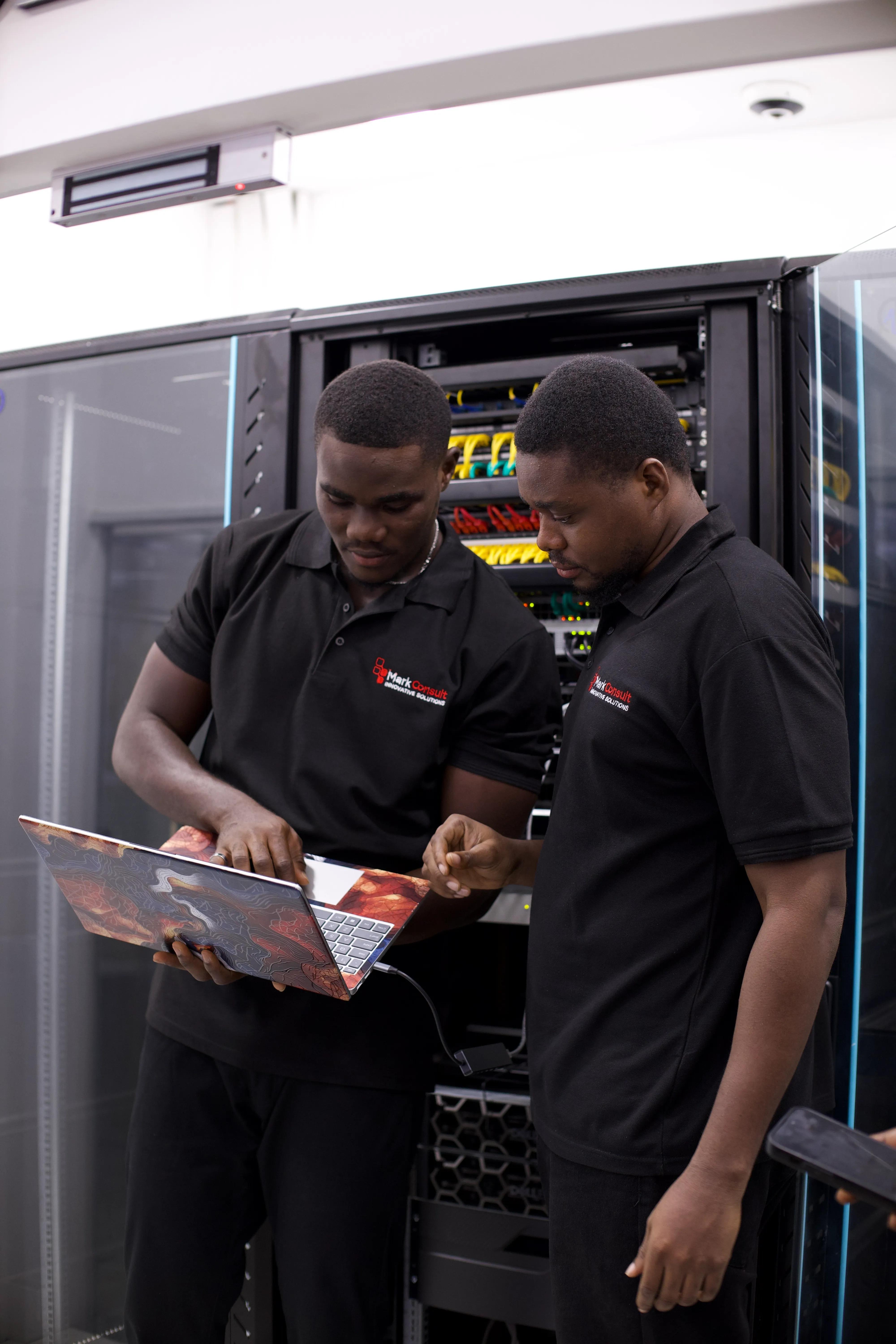
Ultimately, Africa’s data-centre story cannot be measured by how many facilities are constructed or how many megawatts are announced. The real measure of success will be utilisation. Africa needs to create the digital businesses, cloud services, AI applications, government platforms, and enterprise workloads that keep these facilities productive. The continent has started building the infrastructure for its digital future; the next challenge is making sure there is enough digital activity to fill it.